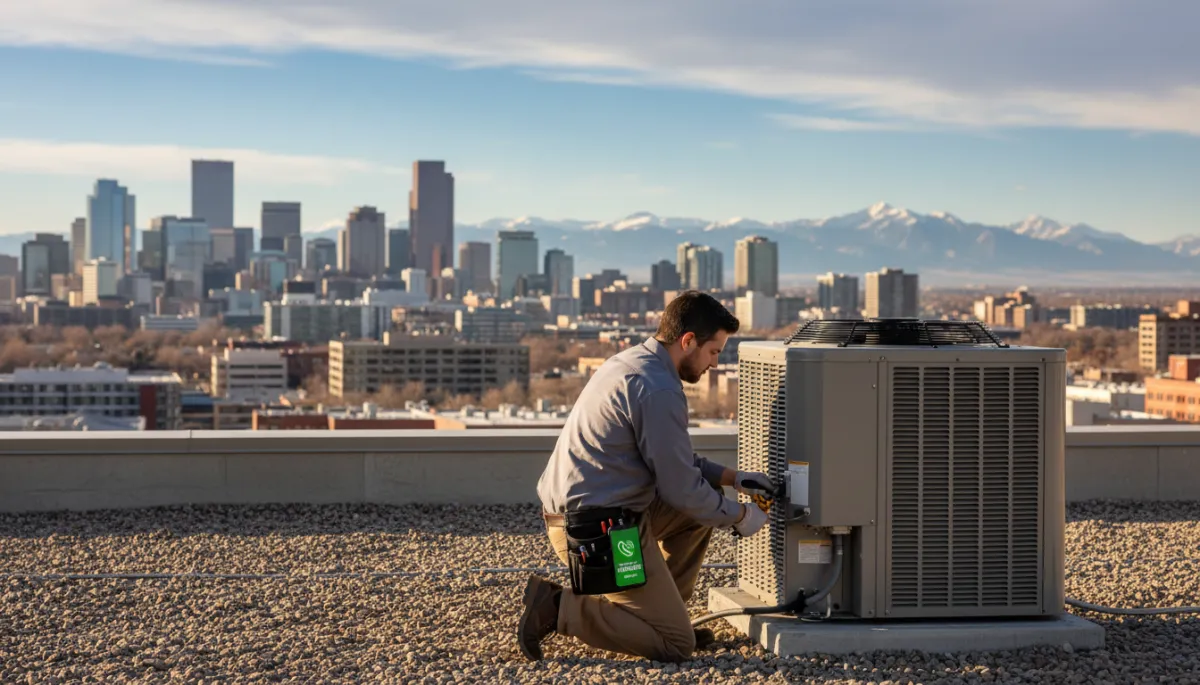
How Denver HVAC Contractors Are Using AI to Answer More Calls and Book More Jobs
HVAC, AI automation for Denver HVAC contractors
AI Automation for Denver HVAC Contractors: What Works in 2026
Denver HVAC is a different animal. Summer afternoons on the Front Range, every second AC call feels urgent. Winter cold snaps, phones light up with no heat emergencies across the metro. In that chaos, a single missed call can be the difference between a full install, a maintenance agreement, or nothing at all. Most contractors here already compete on reviews, response time, and availability. In 2026, AI automation for Denver HVAC contractors is less about gadgets and more about one thing, not wasting those hard earned leads when the phone rings at the worst possible moment.
What does AI automation actually do for a Denver HVAC company?
In practical terms, AI automation for Denver HVAC contractors picks up where you and your office staff cannot. It answers calls, sends a fast text when you miss one, and keeps the conversation going until the caller is either booked, qualified, or clearly not a fit. During July AC failures in Aurora or January furnace breakdowns in Lakewood, that means fewer leads slipping away to the next company on Google because you were under a house or on a rooftop when they called.
With our HVAC automation system, the AI can answer basic questions, capture name, address, and issue, and offer appointment windows that match your real capacity. It also runs a fast missed call text-back sequence so a homeowner who hangs up at the first ring still gets a message within seconds. Combined with solid HVAC lead generation, it turns more of your marketing spend into booked jobs instead of voicemails you never hear about.
How does voice AI handle calls when my crew is on a job?
Voice AI in 2026 is not a robotic menu that frustrates people. It is a conversational system that answers like a trained office coordinator, but it never gets tired and never lets a call roll to voicemail. When a call comes in while you are under a crawlspace in Arvada or balancing on a snowy roof downtown, the AI picks up in a couple of rings, speaks clearly, and follows a call flow built specifically for HVAC work, new installs, no heat, no cool, maintenance, and warranty questions.
It can ask the same questions you would, system age, fuel type, rough location, and timing. For real emergencies, it can prioritize sooner slots. For low value price shoppers, it can give straightforward expectations so you are not driving across town for a non starter. If the caller prefers text, the system can switch channels and continue there. For a deeper breakdown of the tech behind it, you can read more about voice AI for contractors, but the outcome on your side is simple. Fewer missed calls, more booked jobs, and less time chained to your phone.
Will this work for a smaller HVAC company in Denver?
Most of the Denver HVAC AI results we see actually come from companies with two to eight techs. If you run a lean team in Thornton, Littleton, or Commerce City, you feel every missed call more than a big shop does. One lost change out in July or a small commercial service contract in February often covers a whole month of AI. That is why HVAC lead recovery Denver Colorado is one of the clearest use cases for automation right now, the math is straightforward and fast to prove.
You also avoid the constant tradeoff between running calls and playing dispatcher from your truck. AI does not replace you on complex conversations or big ticket quotes. It simply protects your pipeline when you cannot get to the phone. Most smaller contractors we work with start by letting AI handle after hours and high volume seasons. Once they see it booking real, profitable work, they extend coverage to all daytime calls as well. If you want details on how it works for HVAC companies, the rollout is intentionally simple, so it does not become another project you never finish.
What does it cost compared to hiring a receptionist?
By 2026, most HVAC specific AI answering systems land somewhere between the cost of a part time and a full time receptionist. Industry comparisons put solid AI voice platforms in the few hundred dollars per month range, while a single in house receptionist in Denver, once you include taxes and benefits, often runs several thousand per month. The important point is not just the sticker price. AI covers evenings, weekends, and snow day spikes without overtime, extra desks, or training cycles each spring.
Most contractors see payback when AI recovers only one or two decent jobs each month. A no heat call that turns into a replacement, or a small commercial service agreement that would have gone to a competitor, easily offsets the subscription. From there, the extra capacity is pure upside. You can still keep human office staff for complex issues and collections, while letting AI absorb the repetitive first contact calls and follow ups that burn out receptionists and get dropped when things get busy.
Related reading for Denver HVAC teams
How Denver contractors can modernize HVAC lead generation in 2026 without adding more admin work.
Practical breakdown of voice AI for contractors and what it costs in 2026.
If you are ready to see how this looks with your own call volume, service area, and crew size, Instant Business Pro can walk you through a live setup. You will see exactly how calls are answered, how leads are followed up, and how appointments land on your calendar. To schedule a short, no pressure walkthrough built for Denver HVAC, visit our contact page and pick a time that works around your dispatch board.
