
Efficient Subcontractor Payment Management Tips
Contractor Resources, Revenue Growth, subcontractor payment management contractors
How Colorado General Contractors Eliminate Subcontractor Pay Disputes and Late Payments with AI-Tracked Job Records
Smart subcontractor payment systems help contractors pay fast, prevent disputes, and protect margins on every job.

The Real Cost of Messy Subcontractor Payments
For most contractors, subcontractor payment management is one of the most friction-heavy parts of running the business. When you are juggling multiple jobs, crews, and change orders, it is easy for a sub’s invoice, lien waiver, or timesheet to slip through the cracks. The result is familiar: frustrated phone calls, work slowdowns, and a lot of time spent digging through emails and spreadsheets instead of running projects.
The problem is not that contractors do not want to pay. It is that most systems are manual and scattered—paper checks, text messages, verbal promises, and a few spreadsheet tabs. That approach breaks down as soon as you are running more than a handful of jobs at once. A single payment dispute with a key sub can delay a project by weeks, trigger back-charges, and damage your reputation in the local trade network. Losing access to your best subs because of payment issues forces you to scramble for last-minute replacements at higher rates, directly eroding your profit margins and schedule reliability.
How to Pay Subcontractors on Time Without Chaos
Paying subcontractors on time starts long before the first invoice arrives. It begins with how you set expectations, organize job information, and standardize your process. Here is a practical workflow contractors can use on every project:
- Create a written scope and payment plan before work starts. For each sub, document the scope of work, inclusions/exclusions, and a clear payment schedule. Tie payments to milestones, not vague promises like “when we get paid.” This aligns with best practices highlighted by Construction Executive and ConstructConnect, which emphasize clear contracts and defined milestones as the foundation for smooth payments. For real-world examples of how structured processes protect margins, review the Instant Business Pro case studies.
- Use a consistent contractor payment schedule for subs. Standardize when and how you pay: for example, 30% at mobilization, 40% at mid-point inspection, 25% at substantial completion, 5% at punch list sign-off. Adjust percentages by trade, but keep the structure familiar so subs know what to expect on every job.
- Set internal payment deadlines. If your agreement says “Net 15 from approved invoice,” set an internal goal of approving or disputing invoices within 3–5 business days and issuing payment well before day 15. This gives you buffer if banking or platform delays pop up and keeps your reputation for paying subcontractors on time strong in the local market.
- Automate reminders and approvals. Instead of remembering due dates in your head, use a CRM or subcontractor invoicing system that flags upcoming payments, routes invoices for approval, and logs when checks or ACH transfers are sent.
Subcontractor Payment Disputes: How to Avoid Problems Before They Start
Most contractor sub payment disputes come down to three issues: unclear scope, undocumented changes, or surprise deductions. The good news is that each of these can be controlled with simple, consistent habits backed by a digital system.
- Lock in a detailed scope of work. Spell out materials, labor, exclusions, and what counts as “complete” for each milestone. This aligns with industry guidance that a detailed scope is one of the strongest tools for avoiding disputes over payment and performance.
- Formalize change orders. No more “we will figure it out later.” When the homeowner or GC changes something, capture it in writing: description, price impact, schedule impact, and updated payment milestone if needed. Require signatures (even e-signatures) before work continues on the change.
- Document hours and units in real time. For T&M or unit-based work, have subs submit daily logs or use a shared app to record hours, quantities, and materials. This prevents the “That’s not what we agreed on” argument at billing time.
- Explain back-charges and retainage up front. If you hold retainage or reserve the right to back-charge for corrections, include the exact percentages and process in your subcontract. Surprises at final payment are the fastest way to trigger a dispute.
To further reduce risk, include a simple dispute resolution clause—such as mediation before litigation—and keep accurate records of emails, texts, photos, and signed documents. A modern CRM tied to each job makes this documentation easy to access if questions come up months later.

Clear scopes, milestones, and change orders dramatically cut subcontractor payment disputes.
Building Reliable Contractor Payment Schedules for Subs
A strong contractor payment schedule for subs balances three things: your cash flow, the project timeline, and the sub’s need for predictable income. Here is a simple framework you can adapt by trade and job size:
- Mobilization payment: 10–30% when materials are ordered or the crew mobilizes, especially for trades with heavy upfront material costs (roofing, mechanical, concrete).
- Progress payments: One or more payments tied to specific, verifiable milestones—rough-in inspections passed, drywall hung, tile set, etc. Use photos and inspection reports to document completion.
- Substantial completion: A large portion of the remaining balance once the sub’s work is functionally complete, even if minor punch list items remain.
- Retainage or final payment: A small percentage held until punch list and closeout items (warranties, as-builts, lien waivers) are delivered. Be clear about when and how this is released.
Document this schedule in every subcontract and mirror it inside your project management and CRM tools. That way, your team can see at a glance where each sub stands: work completed, invoices received, payments approved, and checks or transfers sent. This same structure supports better job costing for contractors because labor and sub costs are tied to specific phases of the work instead of lump sums at the end.
1099 Subcontractor Payment Tracking That Does Not Break at Tax Time
For 1099 subcontractors, payment tracking is not just about cash flow—it is also about compliance. Poor records around who you paid, how much, and for which jobs can create headaches with your accountant and the IRS. A few simple systems can keep you out of trouble and save days of work every January:
- Collect W-9s before the first payment. Make it standard: no W-9, no work. Store these securely inside your CRM or document system tied to the sub’s profile.
- Track payments by sub and by job. Instead of one big “Subcontractor Expense” bucket, tag each payment to the sub and the specific project. This makes both tax reporting and job profitability analysis far easier.
- Use integrated tools. A CRM or contractor business management platform that syncs with your accounting software can automatically push sub payments into the right categories and help you generate accurate 1099 totals at year-end.
When 1099 subcontractor payment tracking is handled inside the same system you use for estimating, proposals, and sales pipeline reporting, you get a complete picture of each job—from lead to final payment—without chasing data in five different places.
Building a Subcontractor Invoicing System for Contractors
A subcontractor invoicing system does not have to be complicated, but it must be consistent. Think in terms of a repeatable workflow that every sub follows on every job, whether you are a remodeler, roofer, HVAC company, or other home service contractor. Here is a simple structure:
- Standard invoice requirements. Provide a simple checklist for subs: PO or job number, milestone being billed, dates of work, quantities, supporting documentation (photos, timecards, delivery tickets), and any required lien waivers.
- Central intake channel. Instead of invoices arriving by text, email, and paper, choose one channel—such as a dedicated email address or vendor portal—and route everything into your CRM. This is where a platform like Instant Business Pro’s business management tools can help standardize the flow from invoice to approval to payment.
- Digital review and approval. Assign who reviews each invoice (PM, office manager, or owner) and set a target turnaround time. Use checklists for common issues—missing documentation, incorrect milestone, or math errors—so approvals are quick and consistent.
- Payment execution and logging. Once approved, trigger payment through your banking or payment platform and record it in your CRM against the sub and the job. This creates an instant audit trail and supports better contractor proposal software forecasting because you know exactly how much of each contract has been paid.
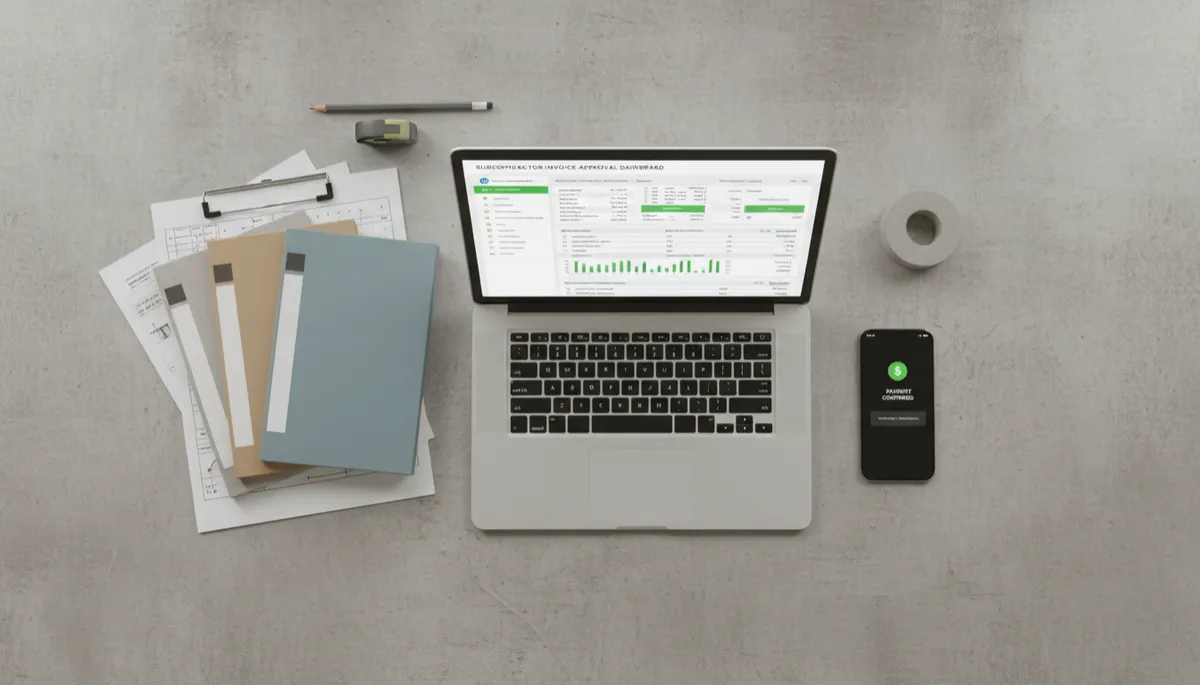
Centralizing invoices and approvals speeds payments and keeps every job financially organized.
How to Manage Subcontractor Relationships Like Strategic Partners
The best subcontractor payment management contractors know that subs are not just cost lines—they are partners who determine how many jobs you can run and how confidently you can sell. Managing subcontractor relationships well means combining clear expectations with reliable communication and consistent payment behavior.
- Onboard subs with a playbook. Share your standard scopes, payment schedules, invoicing rules, and communication expectations. This sets the tone that your company is organized and serious about running jobs professionally. Positive experiences here often translate into stronger word-of-mouth and online feedback, which you can amplify with reputation management tools.
- Track performance and reliability. Use your CRM to log on-time completion, callback rates, safety issues, and payment history for each sub. Over time, you will see which partners deserve more of your pipeline and which need coaching or replacement. This ties in closely with your broader contractor hiring strategies.
- Communicate early about issues. If a homeowner is slow to pay or a change order is under review, let your subs know before their invoice date. Even when cash is tight, proactive communication preserves trust far better than silence and surprise delays.
- Reward your best subs. Give your most reliable partners first shot at new work, invite them into long-term contractor service agreement programs, and consider small early-payment incentives. The value of a dependable sub crew far exceeds a small discount or scheduling preference.
A CRM built for home service contractors, like Instant Business Pro’s Growth Engine plan, lets you centralize this relationship data, from contact details and licensing documents to past jobs, payment history, and notes from your field team. Over time, you build a living database of your sub network—who you trust, what they are best at, and how they impact your projects.
ROI: The Payoff of Systematized Subcontractor Payments
Implementing a structured subcontractor payment system is not just “nice to have.” It delivers measurable returns across time, revenue, and capacity:
- Time saved from manual dispute management. Every hour your team spends tracking down missing invoices, arguing about scope, or re-running numbers is an hour not spent selling the next job or managing the field. By standardizing scopes, milestones, and approvals, many contractors cut dispute-related admin time dramatically and reclaim full days each month.
- Project revenue protected from schedule delays. Payment disputes often lead subs to slow down or pull off the job. A clean, predictable payment process keeps crews on-site, inspections on schedule, and projects closing on time—protecting both revenue and reputation.
- Relationship value maintained through consistent payment. Reliable payment behavior is one of the fastest ways to become a “preferred GC” in your market. When subs know you as the contractor who pays on time and communicates clearly, they will go out of their way to fit you into their schedule and bring their best crews to your jobs.
- Capacity gained from a reliable sub network. With a strong bench of loyal subs, you can confidently book more work and run more jobs simultaneously without worrying that payment chaos will choke your schedule. This is where the combination of structured payment schedules, 1099 tracking, and a centralized CRM really pays off. To see how these gains show up in real contractor businesses, explore the Instant Business Pro case studies.
Contractors who systematize subcontractor payments consistently report fewer disputes, lower sub turnover, faster project timelines, and the ability to scale without adding the same amount of office overhead. In other words, you create a business that is easier to run and more profitable to own.
Bringing It All Together with Instant Business Pro
To make this work in the real world, you need more than good intentions—you need tools that support your process. Instant Business Pro’s CRM and business management tools are built for contractors who rely on subcontractors and want everything in one place: leads, jobs, proposals, invoices, and sub payments tied back to each project.
- Track every sub, job, and payment in a single dashboard.
- Build consistent milestone-based payment schedules and link them to your project pipeline.
- Automate reminders for approvals, payments, and closeout tasks so nothing falls through the cracks.
- Use the Growth Engine plan to manage active subcontractor relationships alongside your customer pipeline, proposals, and service agreements.
If you are ready to move beyond spreadsheets and guesswork and run subcontractor payment management like a real system, explore how Instant Business Pro can help you centralize subs, jobs, and payments in one CRM built for home service contractors. Visit https://instantbusinesspro.ai to see how the platform supports faster payments, fewer disputes, and more scalable operations, or contact the team here to discuss your subcontractor payment workflow.
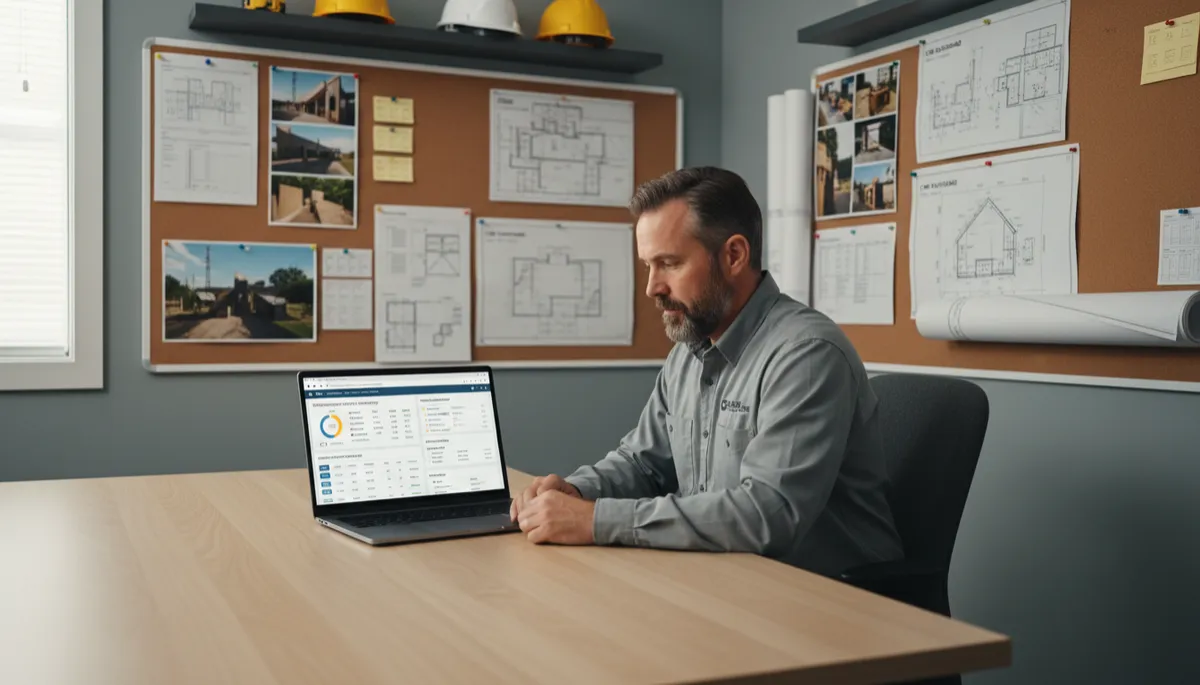
Centralized CRM tools give contractors real-time visibility into every subcontractor relationship.
