How AI Wins Back Ghosted Estimates and Lost Leads for Home Service Contractors
How AI Wins Back Ghosted Estimates and Lost Leads for Home Service Contractors
Contractors getting ghosted after estimates isn’t just frustrating — it’s a silent revenue leak. Here’s how AI follow-up turns cold, quiet bids into booked jobs without you chasing every homeowner.
Meta Description
Learn why contractors getting ghosted after estimates lose thousands monthly — and how AI follow-up sequences recover silent bids, win back lost leads, and close more jobs.
The Real Problem: Contractors Getting Ghosted After Estimates
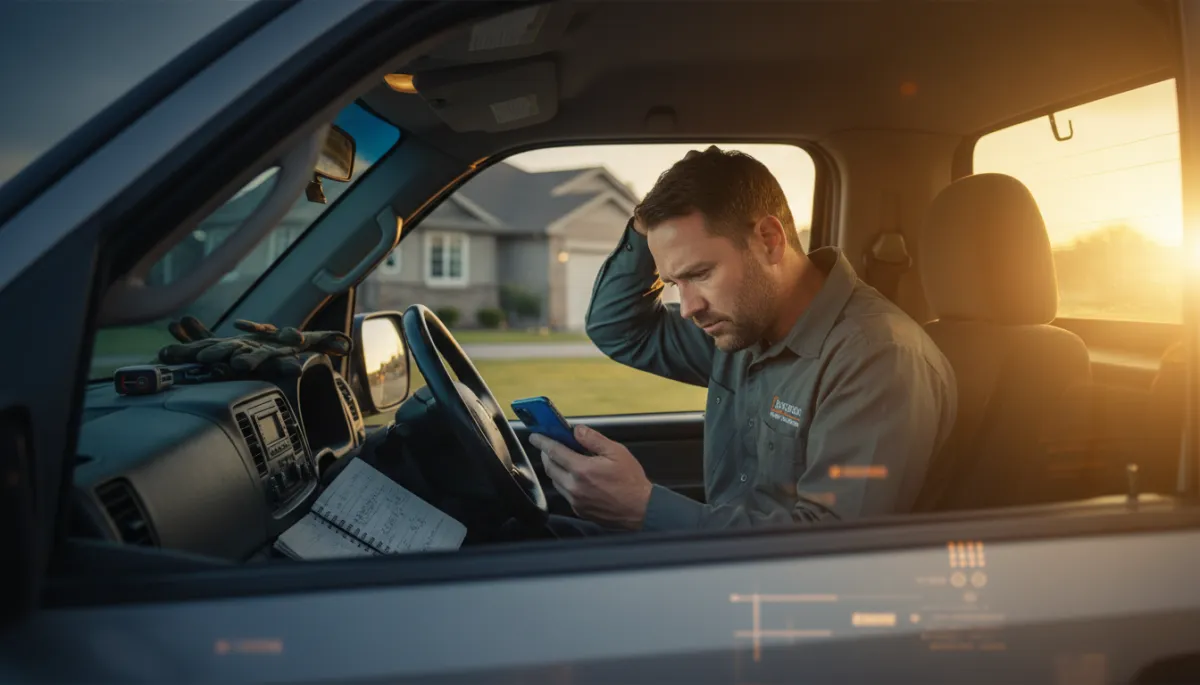
You know the drill. You drive across town, walk the property, answer questions, build trust, maybe even sketch out options. Then you go home, pull together a detailed estimate, hit send… and then nothing. No call. No text. No email. Just silence. You’ve been ghosted, and it feels like you just donated an hour or two of your life — plus gas, overhead, and mental energy — for free.
This isn’t rare. In 2026, data across trades shows that 60–75% of estimates never turn into signed jobs, and a huge chunk of those are simply unanswered — not a clear “no,” just no response at all. That’s contractors getting ghosted after estimates at scale, across HVAC, plumbing, roofing, electrical, landscaping, remodeling and more.
Most owners assume, “They must have found someone cheaper.” But industry studies and real-world examples tell a different story: a lot of those homeowners are still deciding, still overwhelmed, or simply distracted. When contractors actually follow up — even weeks or months later — they regularly recover “dead” jobs worth $10K, $20K, even $300K in total campaigns. The problem isn’t just losing bids; it’s never following up with the right message at the right time.
💡 Reality check: Being ghosted is normal. Letting those bids die without a system to revive them is optional.
The Hidden Cost of Ghosted Estimates and Lost Leads
Let’s put real numbers to the pain. The average home service estimate can easily represent $2,000–$20,000+ in potential revenue. For roofers and remodelers, that can climb far higher. If you send 10 estimates a month and even a conservative 40% go dark, that’s 4 ghosted bids — $8,000–$80,000+ in possible work that quietly slips away every month.
Now zoom out: industry benchmarks show 60–75% of estimates go unsold in many trades. A big slice of that is ghosting and weak follow-up, not losing head‑to‑head on price. One contractor reported recovering $300,000 in revenue from “dead” estimates with a structured follow-up campaign that cost under $500 to run. Another remodeler closed a $13,000 kitchen job five months after the quote went cold — just by reaching back out with the right message.
When you add in the cost of ads, lead services, or SEO to generate each lead in the first place, ghosting becomes a major profit leak. You’ve already paid to get that homeowner in your pipeline. You’ve already driven out and done the work to quote it. Losing them to silence is the most expensive way to lose.
Why Do Homeowners Ghost Contractors After Getting an Estimate?
If you’ve ever thought, “If they just told me no, I’d move on,” you’re not alone. But understanding why homeowners ghost contractors changes how you respond — and how you win them back. In most markets (Denver, Dallas, small-town Midwest, you name it), homeowners ghost for a few predictable reasons:
Decision overwhelm: They collected 3–5 estimates and got stuck comparing apples to oranges, so they froze instead of deciding.
Timing changed: A job, health, or family issue pushed the project down the priority list, even though they still want it done later.
Sticker shock: They didn’t expect the price, felt awkward saying no, and chose silence over confrontation.
Life noise: Your email got buried, the text scrolled off the screen, and they simply forgot to respond.
Notice what’s missing from that list: “They hated you” or “You were way too expensive.” Those happen, but they’re not the majority. That’s why how to follow up on ghosted estimates is such a high‑ROI question. A low‑pressure, helpful nudge gives many homeowners permission to re‑engage without feeling embarrassed or pushed.
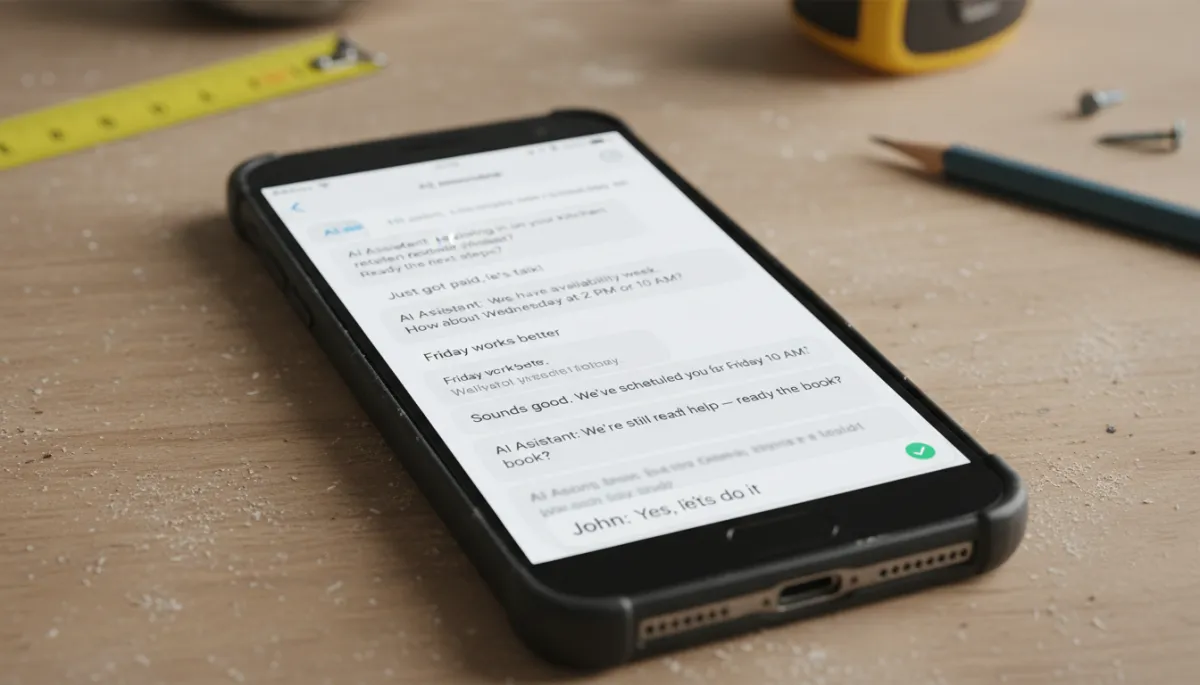
Gentle, well-timed follow-up often turns awkward silence into a clear yes.
How Many Contractor Estimates Are Recoverable?
Not every ghosted bid is coming back — but more are recoverable than most contractors think. Industry data from 2026 shows that 15–25% of ghosted estimates can be revived with structured follow-up, especially via SMS and email. That lines up with real contractors reporting 6 “dead” estimates recovered in a single month, adding $12K+ in revenue, or six‑figure annual bumps from reactivation campaigns alone.
The key isn’t magic wording; it’s consistency and timing. A six‑touch cadence over 4–6 weeks can lift close rates from 20–25% up into the 30–40% range. Most contractors simply never make it past one or two attempts, usually when they’re already slammed on another job. That’s why so many “lost” contractor leads are actually just unfollowed‑up leads.
📌 Key takeaway: If you send the estimate once and never follow up, you’re not losing on price — you’re losing on silence.
What Is the Best Way to Follow Up on a Ghosted Estimate?
As a developer who builds systems for contractors, here’s the simple truth: the “best way” is the one that actually happens every time, without you remembering. But tactically, strong follow-up on ghosted estimates has a few traits:
Multi-channel: Mix text, email, and the occasional voicemail drop so you don’t rely on a single inbox they might ignore.
Low-pressure language: “Just checking in” beats “Are you ready to sign today?” when someone already feels behind or overwhelmed.
Clear next step: Include a direct call to action — reply YES, click to schedule, or tap to call.
For example, a day‑5 text might say: “Hi Sarah, this is Mike with Summit Roofing. Just checking in on the roof replacement estimate we sent over last week. No rush — if you have questions or need another option, just reply here and I’ll walk you through it.”
If you want those follow-ups to land on a strong foundation, make sure your proposals are clear and professional. Tools like the contractor proposal workflows discussed here: Contractor Proposal Software can help your estimate stand out and reduce confusion — which directly cuts down on ghosting in the first place.
How AI Follow-Up Works for Contractor Bids (Without Feeling Robotic)
This is where AI follow-up for contractor estimates changes the game. Instead of hoping you remember to text that homeowner on day 2, day 5, and day 10, an AI‑driven system handles it for you — using natural language that feels like you, not a robot.
Platforms like Missed Call Text Back already use AI to instantly text back missed calls so new leads don’t fall through the cracks. The same engine can run post‑estimate follow-up sequences: a gentle check‑in at 48 hours, a question‑based nudge at day 5, and a final “still here to help” message at day 10–14.
OI: How Much Revenue Can You Recover From Ghosted Bids?
Let’s run realistic numbers for a typical contractor:
You send 20 estimates per month.
Average job value is $5,000.
60% of estimates are ghosted or unsold (12 per month).
That’s $60,000 in potential revenue sitting in limbo every month. If AI follow-up helps you recover just 15–25% of those ghosted estimates, you’re closing an extra 2–3 jobs:
2 extra jobs × $5,000 = $10,000/month recovered at 15%.
3 extra jobs × $5,000 = $15,000/month recovered at 25%.
Annually, that’s $120,000–$180,000 in additional revenue from the leads you already paid for and already quoted — without increasing your ad budget by a dollar. That’s the compound value of recovering even 10–15% of ghosted bids: more trucks running, more crews busy, more stability during slow seasons.
And that’s just post‑estimate. If you also plug the leak at the lead capture stage with instant follow-up from ads and web forms — for example, using: Ad Form Instant Follow-Up — you stop losing people who reached out but never got a fast response. Studies show the first contractor to respond wins up to 78% of jobs, and AI‑driven contact within 60 seconds can nearly double your connection rate.
Win Back Lost Contractor Leads With a Reactivation Playbook
Ghosting isn’t just about last week’s estimates. Most contractors have years of old bids and past customers sitting in their CRM or email. A structured reactivation campaign — often 90 days of targeted, friendly check‑ins — can recover 12–18% of those dormant leads, according to recent benchmarks. That’s a serious cash injection with no new advertising.
If you want a deeper dive on customer reactivation campaigns for contractors, this guide is worth a look: customer reactivation campaigns for contractors. The same AI tools that recover ghosted contractor bids from last month can quietly revive quotes from last year.
From Ghosted to Booked: Automate the Follow-Up, Keep the Human Touch
You didn’t become a contractor to babysit inboxes or write follow-up scripts. You became one to solve real problems — hot houses, leaking roofs, unsafe wiring, overgrown yards, outdated kitchens. The good news is that AI can handle the repetitive, timing‑sensitive part of follow-up while you stay in control of the relationship.
With a system like Instant Business Pro’s Growth Engine tier (Instant Business Pro), you can:
Automatically text back every missed call so hot leads don’t disappear while you’re on a ladder or under a sink.
Trigger AI‑written follow-up sequences for every estimate you send — day 2, day 5, day 10, and beyond.
Reactivate old leads and past customers with campaigns that run in the background while you focus on jobs.
If you’re tired of pouring time into estimates that vanish into silence, it’s time to give yourself a system that doesn’t forget, doesn’t get busy, and never feels awkward sending that follow-up text. AI won’t replace your craftsmanship — it just makes sure more homeowners actually say “yes” to it.
If you want automated estimate follow-up, missed‑call text‑back, and reactivation campaigns built in — without hiring a full‑time office person — explore the Growth Engine tools at Instant Business Pro. It’s designed to help home service contractors recover ghosted bids and win more jobs from the leads you already have.
