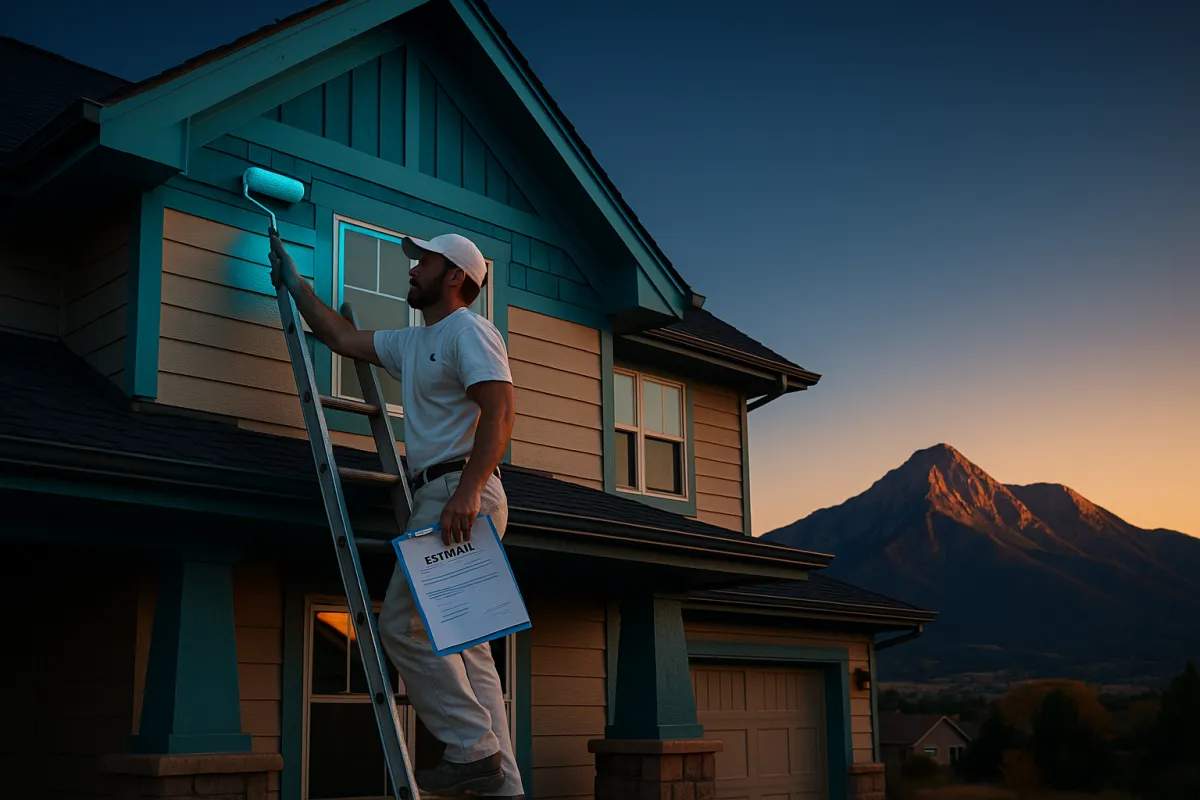
Painting Contractors: The Estimate Was Perfect — So Why Did They Hire Your Competitor?
Painting Contractors: The Estimate Was Perfect — So Why Did They Hire Your Competitor?
You drove to the house. You measured carefully. You put together a detailed, fair estimate. You sent it over and felt good about it. Then silence. You followed up three days later. Oh, we went with someone else. Sorry. No explanation. No negotiation. No chance to respond. Just gone.
If you are a painting contractor , this scenario is painfully familiar. Here is the hard truth: most of the time, you did not lose that job because of your price or your quality. You lost it because of timing and follow-up velocity.
The Painting Contractor's Invisible Competition Problem
Painting is one of the most comparison-shopped contractor services in the home improvement industry. Homeowners almost universally get multiple estimates. They assume quality is roughly equal between professional contractors. And when comparing bids from three contractors with similar prices, the differentiator becomes the experience of working with you, starting from the very first interaction.
That experience starts when they first reach out, not when you show up to estimate. The speed to lead data for contractors consistently shows that homeowners who receive a response within five minutes of their initial inquiry are dramatically more likely to book with that contractor, even if a competing estimate comes in lower. Leveraging a fast text-back and missed-call follow-up system keeps you in front of the homeowner even when you cannot answer the phone in real time.
The Three Windows Where Painting Contractors Lose Jobs
Window 1: The First Response Gap (0 to 5 Minutes)
A homeowner searches for an exterior painting quote in Denver, finds your website, and fills out a form or calls your number. If your response time is more than a few minutes, that homeowner has likely already moved on to the next search result. The contractors who respond fastest, even with an automated acknowledgment, hold the lead while slower competitors fall behind.
Window 2: The Estimate Follow-Up Gap (24 to 72 Hours After Sending)
This is where the majority of painting jobs are lost. You send a detailed estimate. The homeowner says they will think about it. Then you wait. By day four, the homeowner has received two other estimates, one contractor called them back same-day after sending, and your proposal is buried in their inbox. A single automated follow-up message sent 24 hours after your estimate recovers a significant number of jobs that would otherwise go cold. Most painting contractors never send it.
Window 3: The Seasonal Surge Window (Spring and Early Summer)
Exterior painting in Colorado is heavily seasonal, with peak demand hitting in May and June. During this window, painting contractors are busy estimating and running jobs simultaneously, which means incoming calls during work hours go unanswered frequently. A missed call during peak season is a missed $2,000 to $8,000 exterior project that will likely go to a competitor who answered. The same missed call math that applies to plumbing applies directly to painting: urgency and seasonality amplify the cost of every unanswered call.
What Automated Follow-Up Does for Painting Contractors
Level 1: Instant Lead Acknowledgment
Every call that goes unanswered triggers an immediate text acknowledging the homeowner, letting them know you are on a job but have them covered, and asking what kind of painting project they are looking at. This instant response holds the lead and begins qualification while you are still on a ladder.
Level 2: Estimate Follow-Up Sequence
After sending a proposal, a well-designed automation sends a follow-up message at 24 hours, 72 hours, and 7 days if no response is received. Each message is brief, non-pushy, and provides value. This sequence alone recovers 15 to 25 percent of estimates that would otherwise go cold.
Level 3: Seasonal Re-Engagement
Your past customers are your warmest leads for repeat interior work, cabinet painting, deck staining, or referrals to neighbors. An automated spring message about booking exterior projects for the summer generates calls from customers who might not have thought to reach out unprompted.
The Painting Contractor Revenue Math
For a Colorado painting contractor doing exterior and interior work:
Average exterior repaint job: $3,500 to $7,000
Estimates sent per month during busy season: 15 to 25
Current close rate without a follow-up system: 25 to 35 percent
Close rate with automated follow-up: 40 to 55 percent
Additional closed jobs per month: 2 to 4
Even at the conservative end, closing two additional jobs per month during a five-month painting season generates $35,000 to $70,000 in additional annual revenue from the same leads you are already generating. Understanding what AI automation actually costs for contractors in 2026 versus the revenue it recovers makes the ROI case straightforward.
Frequently Asked Questions
How do painting contractors get more jobs without spending more on advertising?
The highest ROI strategy for painting contractors is improving response speed and follow-up consistency, not generating more leads. A missed call text-back system captures leads during busy work hours, and an automated estimate follow-up sequence recovers proposals that go cold. Together, these convert more of the leads you are already getting into booked jobs.
How fast should a painting contractor respond to a new lead?
Industry data shows that responding within five minutes of a lead inquiry produces the highest conversion rates. After 30 minutes, conversion rates drop significantly. After 24 hours, most painting leads have hired a competitor. An automated instant text-back system is the only reliable way to achieve five-minute response times while actively working.
Why do painting contractors lose bids to competitors with higher prices?
In most cases, painting jobs go to the contractor who builds more trust during the sales process. A competitor who responds faster, follows up after the estimate, and stays in communication will win jobs at equal or higher prices over a contractor who sends a proposal and waits silently.
What is the best CRM for painting contractors?
The best CRM system for painting contractors in 2026 combines contact management, automated lead follow-up, estimate tracking, and review request automation in a single platform. Instant Business Pro is built specifically for home service contractors, handling the entire lead lifecycle from first call to five-star review.
Stop Losing Jobs You Already Earned
You did the hard work. You drove there. You measured. You estimated. Letting that job go to a competitor who was just faster to follow up is one of the most preventable losses in your business. See how Instant Business Pro automates your follow-up from first call to closed job. The estimate you send today could be followed up automatically while you are still painting someone else's house — and you can see IBP pricing and explore our plans to understand exactly what it costs before you start.
